
Key takeaways
- Look at the complete formulation, not only the headline ingredient.
- Check the recommended surface, application method, coverage and drying conditions.
- Choose a product supported by clear technical information and consistent quality.
What is cow dung paint?
Cow dung paint is not simply raw cow dung applied to a wall. A commercial coating needs processing, suitable binders, pigments and other ingredients so that the finished material can be applied consistently. The role of the natural material depends on the specific formulation and manufacturing process.
A commercial paint formulation needs consistency from batch to batch. That means the natural ingredient is processed and combined with other formulation components rather than being used in an untreated form. The finished product should still be evaluated like any other coating: by its stated use, application method and technical information.
Why are natural wall finishes getting attention?
Homeowners and professionals are increasingly interested in materials that use renewable or recycled resources. Nature-inspired products can support a more responsible material story, but performance still matters. A wall coating should be selected for the surface, climate, finish, maintenance needs and project budget.
For an eco-focused buyer, the material story is only one part of the decision. Application performance, surface preparation, maintenance and availability are equally important. Responsible product selection avoids broad claims and instead checks what the manufacturer actually specifies for the product.
What should you check before buying?
Start with the product datasheet and packaging. Check whether the product is intended for interior or exterior use, what surface preparation is required, recommended dilution or mixing instructions, drying time, coverage, storage conditions and available pack sizes. Clear instructions are a sign of a more professional product system.
Packaging should clearly explain the surface, coats, tools, drying and storage requirements. If information is unclear, ask the manufacturer before starting a project. This is especially useful for new or specialised materials where application practices may differ from conventional paint.
Where can it be used?
Depending on the formulation, a natural-material paint may be considered for homes, community spaces, educational buildings and other masonry surfaces. Always follow the manufacturer’s recommended application system rather than assuming that one coating is suitable for every surface.
Natural-material coatings can be considered for suitable masonry and community projects when the product is designed for that use. Exposure conditions vary significantly, so a coating suitable for a protected interior should not automatically be used on an exterior wall.
Lado Paints approach
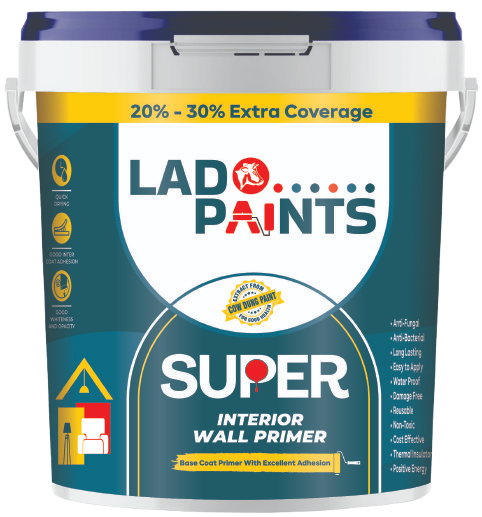
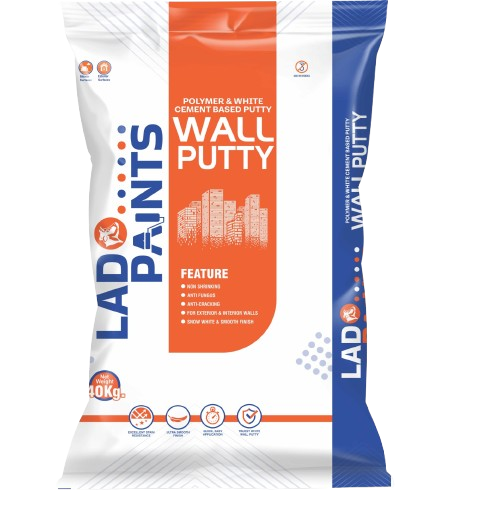
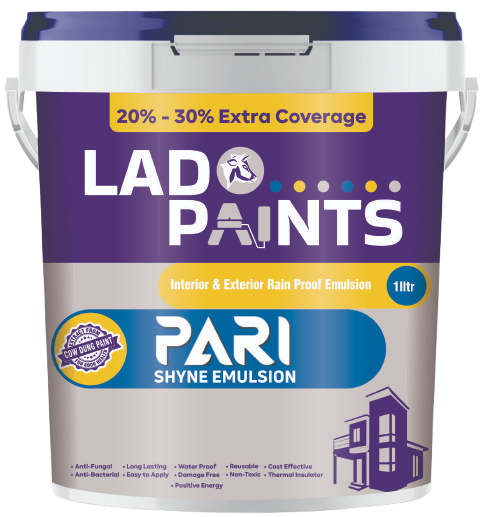
Lado Paints is developing nature-inspired painting and wall-finishing solutions for Indian homes and professionals. The focus is on practical products, responsible innovation and value for customers, with product-specific information available on the website.
Lado Paints combines a nature-inspired product direction with a practical wall-finishing portfolio. Customers can use the product pages and enquiry options to understand current products rather than relying on generic claims about natural paint.
Frequently asked questions about Cow Dung Based Paint
What is cow dung based paint?
Cow dung based paint is a formulated wall coating that uses processed cow dung as one component. Commercial paint is formulated for consistent application; raw cow dung is not applied directly as paint.
Is cow dung paint safe for homes?
Safety depends on the finished formulation, ingredients, manufacturing controls and intended use. Check the product label and technical information before use, especially for indoor applications.
What are the benefits of cow dung based paint?
Potential benefits include a nature-inspired material story and the use of a renewable agricultural resource. Actual performance such as coverage, washability, durability and resistance depends on the specific formulation.
Is cow dung paint eco-friendly?
It can be part of a more resource-conscious product approach, but eco-friendliness should be assessed across formulation, sourcing, manufacturing, packaging, transport and product life.
Where can cow dung based paint be used?
Application depends on the product formulation. Follow the manufacturer’s recommended surfaces and conditions rather than assuming one natural coating works on every wall.
How is cow dung paint made?
Commercial cow dung paint uses processed material together with binders, pigments and other formulation components. The exact manufacturing process and formulation vary by product.
How is cow dung paint different from conventional paint?
The key difference is the use of processed cow dung as a component in the formulation. Performance should still be compared using surface suitability, finish, coverage, maintenance and technical specifications.
Where can I buy cow dung based paint in India?
For Lado Paints product information and availability, contact the Lado Paints team or use the product enquiry options on the website.
Need help choosing a product?
Tell us about your wall, room or project and the Lado Paints team can guide you toward the relevant product information.
Send an enquiry →